Material failures can have serious consequences, including equipment breakdowns, production losses, structural damage, and safety incidents. Understanding the causes of these failures is essential for developing effective prevention strategies.
Common failure mechanisms include corrosion, fatigue, wear, overload, manufacturing defects, improper material selection, and environmental degradation. These factors can gradually weaken materials over time, eventually leading to unexpected failures if left undetected.
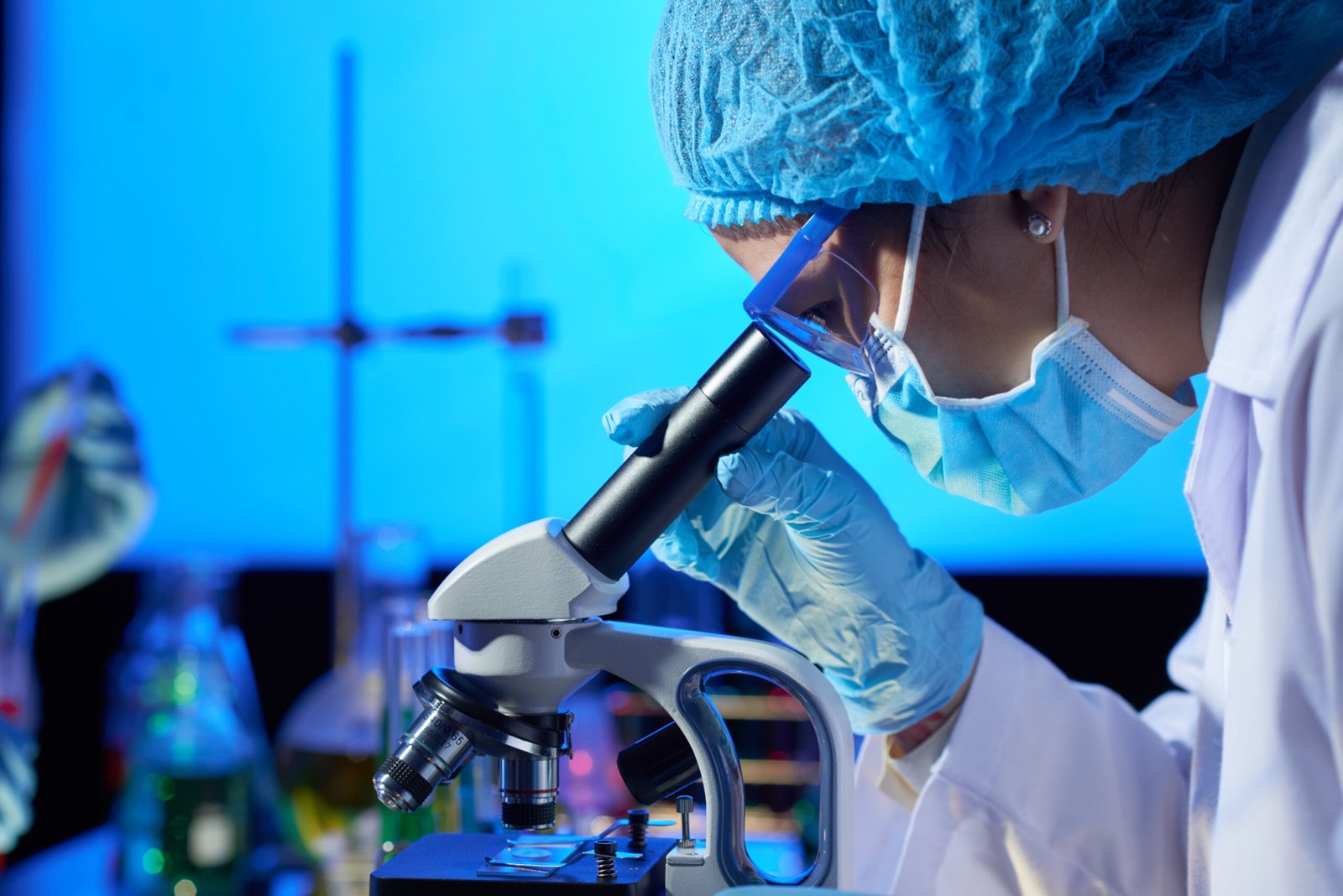
Material testing plays a crucial role in identifying these risks before they become critical. Techniques such as metallurgical analysis, hardness testing, chemical testing, tensile testing, and failure analysis help engineers evaluate material performance and identify potential weaknesses.
Regular testing and inspection programs allow organizations to monitor material conditions, detect early signs of deterioration, and implement corrective measures. This proactive approach reduces maintenance costs, improves equipment reliability, and enhances workplace safety.
By understanding how materials behave under various conditions, businesses can make informed decisions that prevent failures and extend the life of critical assets.